
Selected Flower Materials
We always choose the freshest flowers
We invite you to share more promotional activities. Register FFZO.
Let's go!
GET12%KORTING!


In the bustling town of Acomb, where community spirit is as vibrant as the flowers that bloom in its gardens, the question of whether to write who sent the flower basket has become a topic of discussion. This seemingly simple query touches on deeper social dynamics, etiquette, and the essence of giving. In this article, we will explore the various facets of this question, examining the implications of revealing or concealing the sender's identity in different contexts.
Gift-giving is a fundamental aspect of human interaction, often laden with symbolism and emotion. When a flower basket is sent, it is usually intended to convey a message of goodwill, sympathy, or celebration. The act of giving flowers can strengthen social bonds, express gratitude, or offer comfort. However, the decision to disclose the sender's identity can significantly alter the recipient's perception of the gift.
In Acomb, where community ties are strong, the act of sending a flower basket is often seen as a gesture of solidarity. Whether it's a neighbor sending flowers to a grieving family or a local business congratulating a newlywed couple, the sender's identity can add a personal touch to the gift. On the other hand, anonymity can create a sense of mystery and intrigue, allowing the recipient to focus solely on the beauty and sentiment of the flowers.
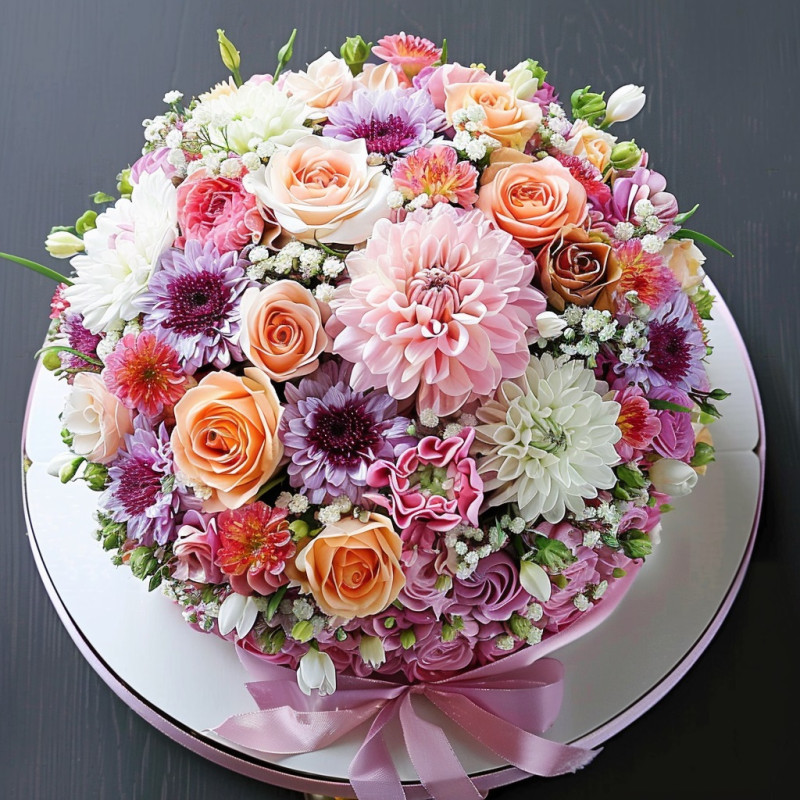
Revealing the sender's identity can be a thoughtful gesture, especially in situations where the recipient might want to express their gratitude directly. For instance, if a flower basket is sent to a hospital patient, the patient might appreciate knowing who sent the flowers, as it could lift their spirits and provide a sense of connection. In such cases, writing who sent the flower basket can foster a deeper sense of community and mutual support.
Moreover, in professional settings, revealing the sender's identity can be crucial for maintaining transparency and accountability. For example, if a business sends a flower basket to a client, it is important to disclose the sender's identity to ensure that the gesture is perceived as genuine and not anonymous. This can help build trust and strengthen business relationships.
On the other hand, there are situations where maintaining anonymity can be more appropriate. In cases of condolence or sympathy, the sender might prefer to remain anonymous to avoid putting the recipient in an awkward position. The focus in such situations should be on the message conveyed by the flowers, rather than the identity of the sender.
Anonymity can also be a way to express appreciation without expecting anything in return. For example, if a group of neighbors collectively sends a flower basket to a retiring teacher, they might choose to remain anonymous to emphasize that the gesture is a collective expression of gratitude, rather than an individual act.
The decision to write who sent the flower basket ultimately depends on the context and the intentions behind the gift. In Acomb, where community values are highly regarded, it is important to strike a balance between transparency and privacy. This means considering the recipient's preferences, the nature of the occasion, and the social dynamics at play.
For instance, if the flower basket is sent to celebrate a milestone, such as a retirement or a graduation, it might be appropriate to reveal the sender's identity to add a personal touch to the celebration. Conversely, if the flower basket is sent to offer comfort during a difficult time, anonymity might be more appropriate to respect the recipient's privacy.
In conclusion, the question of whether Acomb needs to write who sent the flower basket is not a straightforward one. It involves navigating the complexities of social dynamics, etiquette, and the essence of giving. By considering the context, the recipient's preferences, and the intentions behind the gift, Acomb can make informed decisions that honor both transparency and privacy. Ultimately, the goal should be to ensure that the flower basket conveys the intended message, whether it is one of celebration, sympathy, or gratitude.
1. What are the benefits of revealing the sender's identity in a flower basket?
Revealing the sender's identity can add a personal touch to the gift, allowing the recipient to express their gratitude directly. It can also foster a deeper sense of community and mutual support, especially in situations where the recipient might want to know who sent the flowers.
2. When is it appropriate to maintain anonymity when sending a flower basket?
Maintaining anonymity can be appropriate in cases of condolence or sympathy, where the sender might prefer to avoid putting the recipient in an awkward position. It can also be a way to express appreciation without expecting anything in return.
3. How does the context of the gift influence the decision to write who sent the flower basket?
The context of the gift, such as the occasion and the recipient's preferences, plays a crucial role in the decision. For example, revealing the sender's identity might be appropriate for a celebratory occasion, while anonymity might be more suitable for a time of grief or privacy.
4. What is the balance between transparency and privacy when sending a flower basket?
Balancing transparency and privacy involves considering the recipient's preferences, the nature of the occasion, and the social dynamics at play. The goal is to ensure that the flower basket conveys the intended message, whether it is one of celebration, sympathy, or gratitude.
The article explores the question of whether Acomb needs to write who sent the flower basket, delving into the social dynamics, etiquette, and essence of gift-giving. It examines the benefits of revealing the sender's identity and the appropriateness of maintaining anonymity, depending on the context and the recipient's preferences. The conclusion emphasizes the importance of balancing transparency and privacy to ensure that the flower basket conveys the intended message, whether it is one of celebration, sympathy, or gratitude.


FRESHEN UP YOUR INBOX

Singapore




 Australia
 Singapore
 澳門
澳門
 臺灣
臺灣
 香港
香港


FREESHIPPING
ON ORDERS $80GET 12% KORTING!
(MINIMUM ORDER VALUE OF ≥ $80)